Change Stories 2026 Fellowship: A global exchange shaping more equitable and sustainable cities — and the stories we tell about them.
About the Fellowship
The Change Stories Fellowship is a learning and knowledge exchange program for leaders and changemakers in urban equity and sustainability. Fellows will connect with peers and activist-academic partners in a week-long international residency in Belo Horizonte, Brazil. Each of the partner cities on the Change Stories project will send Fellows to Belo Horizonte, alongside a cohort from the U.S.
U.S.-based follows are participating in a 9-month long program following a competitive selection process. The Fellowship is part of the knowledge dissemination and impact strategy for Change Stories and U.S.-based Fellows will implement a post-residency storytelling project that highlights insights and learning in their own networks and communities.
U.S.-based Fellows
The U.S.-based Fellows work in state and local agencies, community-based organizations, and as independent advocates — including organizers, urban planners, and public health leaders — who are committed to equitable and sustainable urban policy, power building, increasing community agency in decision-making, and/or participatory planning.
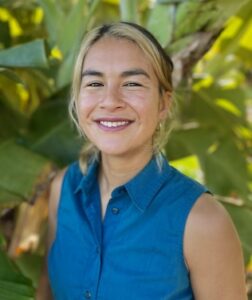
Forest Abbott-Lum, Senior Environmental Planner, Bay Area Air District. Forest is a Senior Environmental Planner at the Bay Area Air District, where she works on long-term climate and air quality planning for the San Francisco Bay Area, with a focus on frontline communities. Her professional experience advancing climate action spans work in New York City, Beijing, and the Bay Area, collaborating with environmental lawyers, civil society organizations, faith groups, activists, and community leaders. These experiences keep her grounded, shaping her belief that the most important work comes from listening to communities and learning through doing.
Forest holds a bachelor’s degree in Environmental Studies and Mandarin Chinese from Bennington College and a Master of Environmental Management from Yale University. Outside of work, she enjoys exploring California’s coast by bike and surfboard, and continues her quest to find San Francisco’s best soup dumpling.
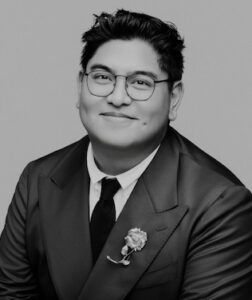
Kevin Borja, Senior Planner, City of San Diego. Kevin is an urban planner and designer based in San Diego, California, with a focus on inclusive planning and civic engagement. He holds a bachelor’s degree in Urban Design from New York University and a master’s degree in Urban Planning from Columbia University. His research interests span the physical and social dimensions of urban systems, including public and green spaces, nighttime governance, civic participation, and urban analytics.
A public servant at heart, Kevin has worked with a range of public sector organizations, including the New York City Department of Parks and Recreation, the New York City Mayor’s Office, and the City of San Diego’s Planning Department, where he supports inclusive public engagement for citywide and community-based projects. He also brings experience from the private sector through his work with AECOM on affordable housing and urban design projects across California. Kevin is committed to addressing historical marginalization and empowering communities to shape their futures through storytelling and planning.
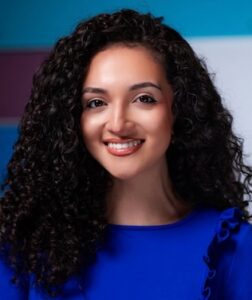
Jennifer Borrero, Georgia Organizing Director, YIMBY Action. Jennifer is a non-profit founder and global speaker transforming how we think about housing, justice, and community. Known for her bold storytelling, Jennifer offers keynotes and programs that ignite action, challenge assumptions, and expand what’s possible. She specializes in housing advocacy and sustainable housing projects.
Recognized with the Hispanic Executive 30 Under 30 Award and the U.S. Global Leadership Coalition NextGen Leader Award, Jennifer has delivered TEDx talks on the future of housing. She holds a Master’s degree from Georgia State University and serves as a Global Ambassador for the United Nations Association.
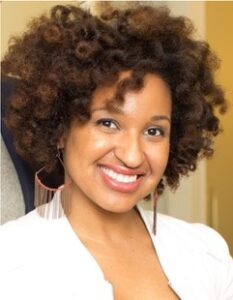
Vedette R. Gavin, Principal, Verge Impact Partners. Vedette is a community-engaged public health consultant, researcher, and Principal of Verge Impact Partners, with more than 20 years of experience advancing health equity through research, public engagement, and systems-change strategy. Her work sits at the intersection of public health, the built environment, and community leadership, with a focus on cultivating community-led research and decision-making to support thriving communities of color.
Vedette is the Founder and Co–Principal Investigator of the Healthy Neighborhoods Study at MIT, the largest participatory action research study on neighborhood change and health in the United States. She previously led developmental learning and evaluation efforts with Success Measures, partnering with philanthropic, national, and grassroots organizations. Vedette currently serves as Vice Chair of the Black Women’s Health Imperative and is a founding board member of the Center for Achieving Equity. She holds a BS from the University of Maryland, an MPH from The Ohio State University, and an MPA from Harvard Kennedy School.
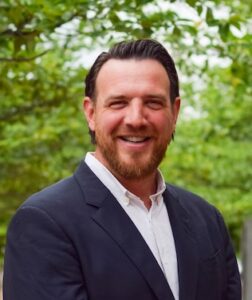
Eric Hoke, Design Director, Civic Design Center. Eric is Design Director at the Civic Design Center in Nashville, where he leads design strategy, visual communications, and advocacy efforts focused on sustainability, transportation, and equitable urban development. He holds a bachelor’s degree in Interior Architecture from Ohio University, where his thesis explored adaptive reuse and regional connectivity through a high-speed rail hub in Chicago. His professional background spans residential architecture, medical and furniture design, and graphic design.
Since joining the Civic Design Center in 2012, Eric has contributed to numerous citywide initiatives, including Nashville’s transit improvement planning, Vision Zero efforts, and ecological conservation strategies. He has served in leadership roles with Transit Now Nashville, WeGo Public Transit advisory committees, and regional mobility coalitions. Eric is recognized for his leadership in active transportation and received Walk Bike Nashville’s Advocate of the Year award in 2025. His work reflects a commitment to design as a tool for civic engagement and systemic change.
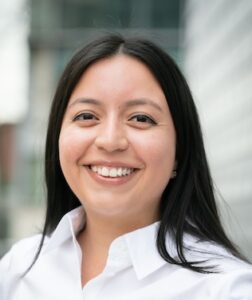
Kelly Naranjo, Director, Research and Evaluation, God’s Love We Deliver. Kelly is a multidisciplinary scholar with expertise in bioethics and biology and currently serves as Director of Research and Evaluation at God’s Love We Deliver, a New York City–based food and nutrition nonprofit. Using a health equity lens and community-engaged, participatory research approaches, she works to strengthen research diversity, center client voice, and improve organizational services through direct community feedback. Her work explores ethical frameworks for engaging communities in nutrition research and interventions, with a focus on building replicable, community-informed models that can influence local policy.
As a leader within an unconventional research organization, Kelly emphasizes the role nonprofits play in building trust and advancing the Food Is Medicine movement. She has established academic partnerships across New York and New Jersey to pool resources and advance health outcomes through sustainable food and nutrition initiatives. She is eager to collaborate on inclusive storytelling strategies that elevate community knowledge and advance health equity and food justice.
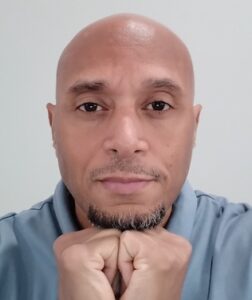
Khalil Shahyd, Senior Strategist, Environmental and Equity Strategies at Natural Resources Defense Council (NRDC). Khalil is Senior Strategist of Environmental and Equity Strategies at the Natural Resources Defense Council, where he works at the intersection of environmental protection, climate solutions, and economic justice. His research and advocacy focus on the political, environmental, and equity implications of emerging technologies, with particular attention to artificial intelligence and data center infrastructure. Drawing on a political ecology framework, Khalil examines how AI development shapes resource distribution, governance, environmental justice, and community wellbeing, including impacts related to energy use, extraction, and waste.
Khalil brings more than 20 years of experience in social justice advocacy in urban and rural contexts across the United States and internationally, including work in Mexico, India, and Brazil. He holds a BA in History from Tulane University, an MA in Sustainable International Development from Brandeis University, and a PhD in Energy and Environmental Policy from the University of Delaware. Outside of work, he enjoys astronomy and soccer.
Belfast-based Fellows
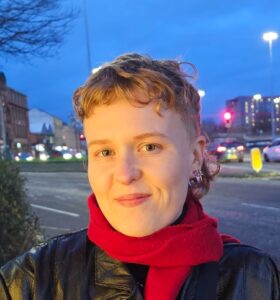
Jemma Blacklaw, Research and Policy Officer, Participation and Practice of Rights (PPR). Jemma is a South African based in Belfast with experience working in different areas of human rights research, policy, and organising in the community sector. She currently works with the New Script for Mental Health campaign at PPR, conducting research and policy work related to mental health rights.
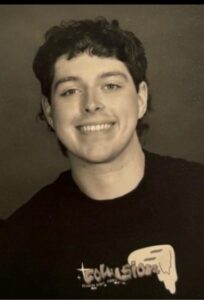
Conal Matthews is a 25-year-old community worker born and raised in West Belfast. He has always been involved in his community, either as a volunteer or through paid work. After leaving school, he became engaged in local politics and began volunteering at his local foodbank, gathering collections and delivering food to people in need within his community. The Covid pandemic copper-fastened his political beliefs and further highlighted that nothing operates without the working class. Since 2020, he has held paid roles within the community sector, ranging from an advice worker to the regional organiser of CATU (Ireland’s largest Tenant and Community Union). He has been employed by PPR (Participation and Practice of Rights) since April 2025, leading their Housing and Land Justice campaign. He is also active as a volunteer in CATU and local Republican politics, as well as through community football teams and community garden initiatives.
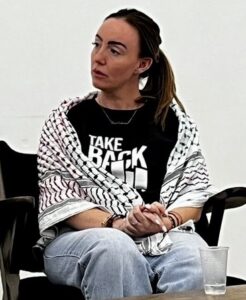
Marisa McMahon is currently the Assistant Director of Programmes at the Participation and Practice of Rights. With a passion for human rights, she has over 18 years’ experience in advocacy, researching, practicing strategy and policy, communications, and grass roots campaign formulation, both locally as well as internationally. Marisa has been campaigning since 2008, personally lobbying at both EU and UN level for the rights of marginalised people in Ireland.
Marisa completed a fellowship with the Social Change Initiative, during which she conducted a comparative analysis of housing campaigns using a human rights-based approach across the North of Ireland, South Africa, and the United States. This work culminated in the creation of the website www.lessonsforchange.org, designed as a valuable resource for housing rights activists. Additionally, she is completing a PhD at the European Wasatia Graduate School for Peace and Conflict Resolution. Her research focuses on the persistent housing inequalities and land justice issues in a post-conflict Northern Ireland. Marisa is deeply committed to effecting social change and firmly believes that meaningful transformation occurs only when those most impacted are actively engaged in the decision-making process.
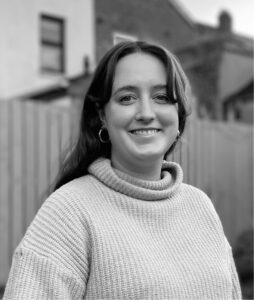
Ellen McVeigh is the Media and Communications Co-ordinator for PPR. Her background is in journalism and human rights, working and volunteering in these sectors across Ireland and Europe. Her previous work has been in women’s rights and community development, and she has studied at the University of Groningen and University College Cork.
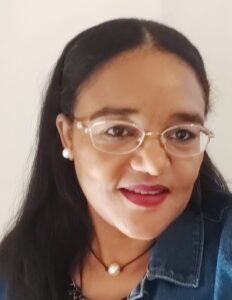
Twasul Mohammed is a dedicated campaign organiser at Participation and the Practice of Rights in Belfast, where they contribute to campaigns around housing, the right to work, and mental health for all residents of Northern Ireland. While their role primarily focuses on supporting refugees and asylum seekers, Twasul also works with local communities on these vital issues. Having witnessed and actively resisted repression in their home country of Sudan as a peace and justice activist, Twasul is deeply committed to fostering democracy and participation. As a founding member of the Anaka Women’s Collective, Twasul also works to create spaces for collective action and empowerment.
Bogotá-based Fellows
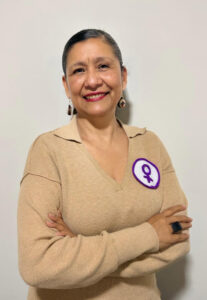
Aura Amelia Abril Castro is the founder of the Fundación Mujer Familia y Trabajo (2000) and the Red Nacional de Mujeres Víctimas del Conflicto Armado en Colombia (2005), as well as regional networks in the departments of Meta, Norte de Santander, and Casanare. For more than 30 years, she has dedicated her work to defending the rights of marginalized populations, promoting collective organizing, and advancing a gender and differential approach in public action. Her work has focused particularly on the prevention of gender-based violence and femicide, as well as advocacy in local, district, and national planning spaces. She has participated in the formulation of the Public Policy on Women and Gender Equity in Bogotá and policies addressing victims of the armed conflict. Professionally, she holds a degree in Public Administration with specializations in Development Project Formulation, Evaluation and Management, and Administrative and Contract Law. She currently serves as a member of the Bogotá Women’s Consultative Council, representing the agenda of the Right to a Life Free from Violence against Women. In 2024, in recognition of her leadership and representation in participatory institutions, she received the Mujer COOPEBIS Award, along with additional recognitions from the Bogotá Secretariat for Women, the High Council for Victims, and the Government Secretariat’s Human Rights Directorate.
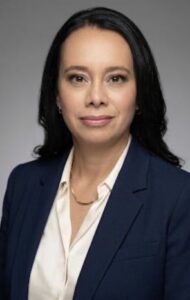
Consuelo León Joya is a Social Leader, Physiotherapist, and Advocate for the Rights of Women with Disabilities. She firmly believes that political participation and autonomy are key to social transformation. As the founder of the ZOI VIDA Collective and a physiotherapy professional, she dedicates her work to promoting dignity and the visibility of women with disabilities as full political subjects with equal rights. She has extensive experience in public advocacy, notably serving as a Women’s Consultative Council representative in Bogotá (2022–2025) for women with disabilities. Her commitment continues through active representation and advocacy in national and district decision-making spaces. In her current work, she serves as a member of the Bogotá District Roundtable of Women with Disabilities and Caregivers of Persons with Disabilities, where she works to advance rights and strengthen grassroots organizing across the city. She is also the spokesperson for the Andean and Orinoquía Node of the National Network of Women with Disabilities, leading political advocacy processes with a regional and territorial perspective. As the founder and director of ZOI VIDA, she leads an inclusive and feminist space for gathering and learning that focuses on personal empowerment, leadership development, and solidarity among women. In addition, she has extensive experience in public policy advocacy, particularly in strategic processes supporting the implementation of Bogotá’s Public Policy on Disability and the Public Policy on Women and Gender Equity, contributing to the advancement of a more inclusive democracy. She describes herself as a weaver of networks of care and participation, committed to strengthening civic capacities and building territories that are more just, diverse, and supportive.
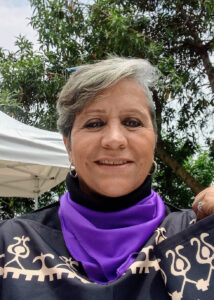
Yulima Lombana is a Technologist in International Negotiations and a Political Science student with training in public policy on women and gender. She works with the organization Asociación Red de Mujeres Protectoras Chapinero, in Bogotá, advocating for women’s rights—particularly the right to decent work, the right to adequate housing, and the prevention of violence against women. She also serves as Secretary of the Red Nacional de Veeduría Carcelaria, where she works to promote the humanization of incarcerated people and support for their families. This work was recognized and awarded in 2024. As a caregiver, she is trained in caring for older adults and diverse populations. She also volunteers in environmental initiatives, promoting urban gardens through workshops and hands-on community work to support the installation of urban agriculture projects.
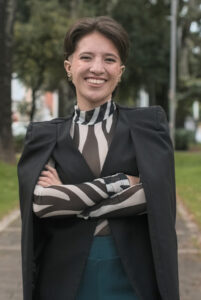
Montaño Ferreira is a professional in Government and International Relations with experience in community leadership, pedagogy, and environmental protection. Her work focuses on social transformation from the local level, particularly through initiatives related to memory, culture, and the care of territories. She has supported women’s empowerment and collective reparations processes with women victims of the armed conflict in Campo Dos, Catatumbo. She has also led urban gardens and political and artistic training spaces in Usme, Bogotá, and developed educational initiatives on hummingbird conservation for rural children in Fusagasugá, Cundinamarca. In addition, she has contributed to neighborhood memory projects, territorial protection and care in Casablanca (Bogotá), local economic strengthening initiatives in Paipa (Boyacá), and cultural mapping processes for energy solutions in Riosucio (Chocó). She currently works with the Casa Cultural He-chiza Corporation for Social Transformation, where she writes and implements community projects. She also serves as Social Impact Leader at AFS Colombia, where she received the AFS Colombia Innovation Award (2025), and as Environmental Leader at The Oxygen Project, promoting community initiatives and leadership processes focused on climate justice with an intercultural approach.
Brazil-based Fellows
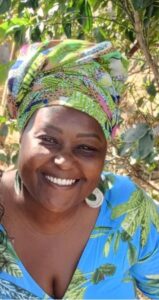
Alexandra Assis is an urban farmer and works with medicinal plants. She is also a researcher fellow at AUÊ (Urban Agriculture Study Group) from UFMG and is an undergraduate student at UEMG (State University of Minas Gerais). Alexandra lives at Ocupação Paulo Freire in Belo Horizonte, where she is involved in the fight for housing rights alongside the MLB.
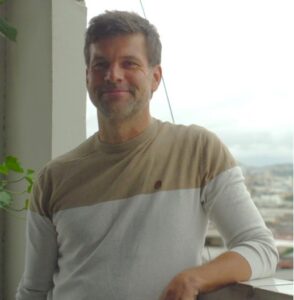
Timo Bartholl lives in Maré in Rio de Janeiro where he engages in grassroots movements. As a founding member of the Roça! Collective and geography professor at Fluminense Federal University (UFF), he works at the interface of community and university. Geographies in movement(s), urban resistance and favelas, societies-nature relations, struggles for food autonomy, and geopolitics from a Global South perspective are his key interests. Co-author of “Favela resistance: Urban Periphery, Pacification, and the Struggle for Food Sovereignty” (PM Press, 2025).
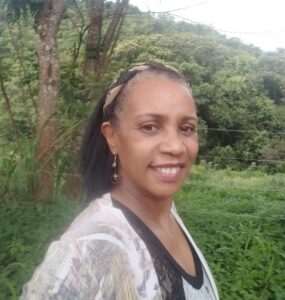
Rosilene de Jesus Ferreira Santos is a resident of the Maria da Conceição encampment, located in the municipality of Itatiaiuçu (Metropolitan Region of Belo Horizonte), organized by the Landless Rural Workers’ Movement (MST). She currently serves as a regional leader for the Belo Horizonte Metropolitan Region in the MST’s Health sector. Previously, she was a resident of the Dandara urban occupation in Belo Horizonte. Her work is mainly focused on grassroots organizing with women who are members of the MST.
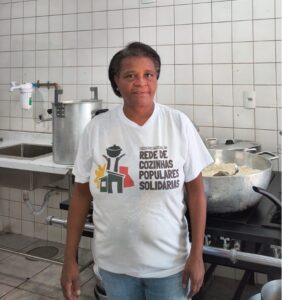
Adriana Meneses de Sousa is a resident of Kilombo Souza in Belo Horizonte. She has been a professional cook for over 30 years, having worked in several restaurants across the city. She currently coordinates the Maria Brás Solidarity Kitchen, located in Belo Horizonte and part of the Mãos Solidárias campaign organized by the MST. In addition, she works as a cook at various events promoted by the MST and by the Quilombo Reconhece Quilombo project.

Diana Rodrigues is an agroecological nutritionist and social educator, graduated from Federal University of Minas Gerais (UFMG), with pedagogical training in Biology and a diploma in Agroecology for Sustainability from Autonomous University of Querétaro (UAQ), Mexico, and Oswaldo Cruz Foundation (FIOCRUZ), Brazil. President of the Municipal Council for Food and Nutrition Security of Belo Horizonte during the 2021–2025 term, nutritionist in the National School Feeding Program in the Metropolitan Region of Belo Horizonte, and participant in the Urban Agriculture Study Group (Auê) at UFMG. Her experience includes Food and Nutrition Security, family farming, urban agriculture, agroecology, social movements, and nutritional self-care.
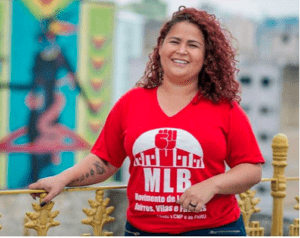
Poliana Souza is a national activist coordinator of the MLB – Movement for the Struggle in Neighborhoods, Villages and Favelas. She was a resident for many years of the Eliana Silva urban occupation in Belo Horizonte. As a committed feminist, she took part in Tina Martins, the first women-led occupation in Latin America, and as a prominent grassroots community leader, her main advocacy is in the area of housing, where she works closely with numerous families to defend their right to decent housing. In addition, she is a dedicated popular educator, recognizing youth and adult education as instrumental in achieving tangible social transformation. Alongside dozens of women, she actively advocates for childcare centers and community kitchens within urban occupations, viewing them as fundamental to women’s emancipation.